

Neighborhood Price Variation
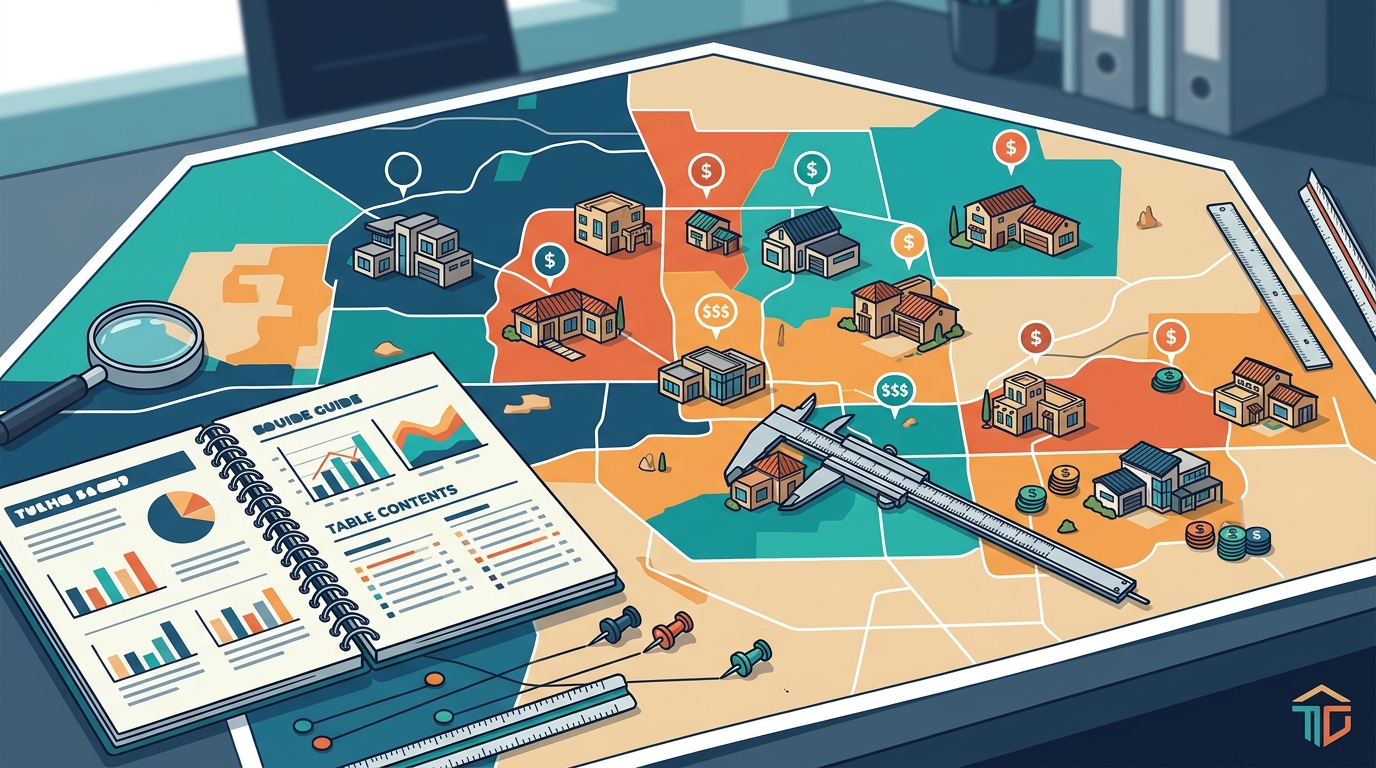
Phoenix is a sprawling metro area with distinct micro-markets. The price of a single-family home depends heavily on the specific city or neighborhood. Understanding these variations is the first step in making an informed real estate decision.
Core Phoenix and Central Metro
Surrounding Cities and Suburbs
| Community | Typical Price Range | Market Characteristic |
|---|
These ranges are indicative of current market conditions. For the most accurate and up-to-date data on specific properties, it is essential to consult a local expert who tracks real-time listing changes. You can explore current inventory in these areas by visiting the communities page on the Tukuandco website.
2026 Market Trends
The Phoenix real estate market in 2026 continues to show resilience, driven by population growth and favorable climate. While national markets have seen fluctuations, the Valley of the Sun remains a top destination for relocation and investment.
Inventory and Demand
Inventory levels have stabilized compared to the peak shortage years of 2021 and 2022. This has given buyers slightly more negotiating power, though competition remains fierce for well-priced homes. Demand is sustained by interstate migration, particularly from California and the Northeast, where housing costs are significantly higher.
Interest Rates and Affordability
Mortgage rates in 2026 have influenced buyer behavior. Higher rates have pushed some buyers toward more affordable price points or different property types, such as condos or townhomes. However, the long-term appreciation potential of Phoenix real estate continues to attract investors and owner-occupants alike. Understanding how rates affect your budget is crucial, and our financing resources can help you connect with trusted mortgage professionals.
Key Pricing Factors
Beyond location, several specific factors determine the listing price of a single-family home in Phoenix.
Property Condition and Age
Newer construction, particularly homes built after 2010, commands a premium due to modern energy efficiency and updated features. Older homes, especially those from the 1950s to 1970s, may list lower but offer potential for renovation and value addition. The condition of the HVAC system, roof, and plumbing are critical in the Arizona climate and directly impact valuation.
School Districts and Amenities
Proximity to highly rated school districts, such as those in Scottsdale or specific Phoenix zones, significantly boosts property values. Access to amenities like golf courses, community pools, and parks also plays a role. Buyers are often willing to pay more for homes in master-planned communities with strong HOA amenities.
Lot Size and Outdoor Space
In Phoenix, outdoor living is a lifestyle. Homes with larger lots, mature landscaping, and functional outdoor spaces (patios, pools, fire pits) often list higher than comparable homes with minimal outdoor areas. The desert climate makes the backyard a primary living space, and buyers value this highly.
Strategies for Buyers and Sellers
Whether you are buying or selling, a strategic approach is key to achieving your goals in the Phoenix market.
For Buyers
First-time buyers should focus on neighborhoods that offer the best value for their budget. It is important to get pre-approved for a mortgage to understand your true purchasing power. Working with a local agent who understands the nuances of each neighborhood can help you find hidden gems that may not be widely advertised. You can start your search by using the home search tool to filter by price, beds, and baths.
For Sellers
Sellers should price their homes competitively from day one. Overpricing is a common mistake that can lead to a property sitting on the market, which often results in a lower final sale price. A professional home valuation can provide a data-driven pricing strategy. If you are considering selling, request a home valuation to understand where your property stands in the current market.
Key Takeaways
- Inventory levels in 2026 have stabilized, giving buyers slightly more negotiating power.
- Property condition, school district, and outdoor space are major drivers of price in the Phoenix market.
- Newer construction commands a premium due to energy efficiency and modern features.
- Working with a local expert is essential for navigating the diverse micro-markets of the Phoenix metro.
- Accurate pricing is critical for sellers to avoid overpricing and ensure a quick sale.
- Real-time data and local knowledge are key to making informed real estate decisions.
Frequently Asked Questions
What is the median home price in Phoenix?
Is Phoenix a good place to buy a home in 2026?
Yes, Phoenix remains a strong market for homebuyers in 2026. Population growth and job opportunities continue to drive demand, and the climate is a major draw for many buyers. While prices are higher than in previous years, the long-term appreciation potential remains attractive.
How do I find the right neighborhood for my budget?
Start by identifying your must-haves, such as school districts, commute times, and amenities. Then, work with a local real estate agent who can show you properties in different neighborhoods that fit your budget. Comparing multiple areas will help you find the best value for your money.
What is the difference between list price and sale price?
The list price is the amount the seller initially asks for the home. The sale price is the final amount agreed upon by the buyer and seller. In a competitive market, homes often sell at or above list price, while in a slower market, they may sell below list price.
How much should I budget for closing costs in Phoenix?
Can I negotiate the price of a home in Phoenix?
Yes, you can negotiate the price of a home in Phoenix. While competition can be high, especially for well-priced homes, there is always room for negotiation. Your agent can help you craft a strong offer that reflects the current market conditions and the specific property's features.
What is the role of a real estate agent in the Phoenix market?
A real estate agent provides local expertise, market data, and negotiation skills. They help buyers find the right properties and sellers price their homes competitively. A good agent also guides you through the complex process of inspections, appraisals, and closing.
Ready to Explore Phoenix Real Estate?
Navigating the Phoenix real estate market requires local expertise and up-to-date data. At Tukuandco, we are committed to helping you make informed decisions whether you are buying your first home, selling your current property, or investing in the Valley. Our team provides personalized guidance and access to real-time market information. To get started, today for a free consultation.